
*Possible Spoiler Alert*
What if the house you called home didn’t just remember your family – but consumed them?
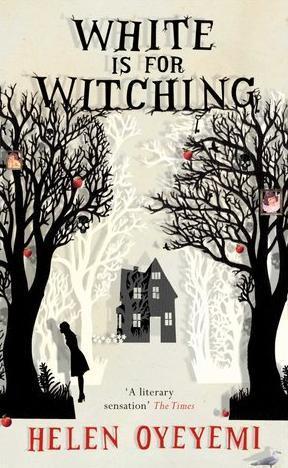
In Helen Oyeyemi’s White Is for Witching, a centuries-old house becomes a place of secrets, grief, and hunger. But the novel’s horrors extend beyond its walls, exploring how family history, racism, and the search for belonging can haunt us just as powerfully as any ghost.
During the late 1990s, Miranda Silver lives in the Silver House is near the White Cliffs of Dover.
Miranda lives at the house with her father, Luc, and twin brother, Eliot. Her mother, Lily, passed away while on a photo shoot in a foreign country. Miranda has been diagnosed with pica, which has escalated since her mother’s death. Her latest favorite thing to eat is chalk.
The Silver House eventually tells their side of the story. The house itself is a sentient presence, one that believes it must protect the Silver family from outsiders. Its ideas of belonging are deeply rooted in xenophobia and racism, viewing anyone who is not “English enough” or white as a threat.
In their opinion, outsiders have caused grief and trouble for the people that the house loves. So the house haunts people that they don’t approve of to get them to leave.
Miranda has a rough time while still in high school. She gets bullied and accused of doing things that she didn’t do. Miranda continues to lose weight throughout this time and also when she goes to college. Although, she is a bit of a loner, she seems to be fashionable. I think she starts to make clothes for herself because most clothes are too big for her. She ends up buying a mannequin, which makes a spooky appearance later.
When she goes to Cambridge, Miranda begins a relationship with Ore, a Black woman of Nigerian heritage. I really like Ore. I think she brings Miranda out of her shell a bit and maybe makes her feel worthy of good things. She also provides a contrast to the house’s narrow definition of belonging. Where the house rejects and isolates, Ore offers Miranda acceptance and connection.
While visiting the house, Ore also sees the house for what it is – a sentient, deeply unsettling presence that harbors xenophobic and racist attitudes.
The housekeeper, Sade, experiences the house’s racist feelings. For awhile, she could fight against the power of the house. However, the house poisons her with apples. Sade survives but her protective rituals are stifled.
The whole thing with the apples reminds me of the evil stepmother giving Snow White the poisoned apple. The theme with the apples comes back a few times – once with Sade and at the end with Miranda.
Miranda begins to see the generations of the women in her family in the house – great-grandmother Anna, grandmother Jennifer and mother Lily. It must have been very unsettling to see her grandmothers and mother.
The first time that the mannequin comes to life scared me. If this was happening to me, I would never recover. I would also never stay in or return to that house.
The quality of writing is excellent. The only thing that was confusing was that the narrator changed without notice throughout the book. So I definitely had to pay attention to what was going on and who was narrating.
Without telling you what I think happens at the end, I will just say that we may never know exactly what happened to Miranda except that she has disappeared.
I was a bit sad at the end because I really wanted Miranda to be successful and happy. I was hoping that she could get her eating disorder under control and go back to Cambridge.
If you like scary stories about houses that do the haunting, then you may like this book. If you are scared of mannequins or haunted houses with racist and xenophobic beliefs, then you might not enjoy this book.
White Is for Witching is not just a story about a haunted house—it is a story about grief, identity, family history, and the ways that places can hold onto the darkest parts of the past.

